Due to a recent change in our pharmacy software system, the process for submitting refill requests online has now changed.
Our previous mobile app and your current login credentials will no longer work.
Please click the My Pharmacy tab then Patient Portal to begin the new process.
Thank you for your patience during this transition.
Get Healthy!
- Posted August 12, 2026
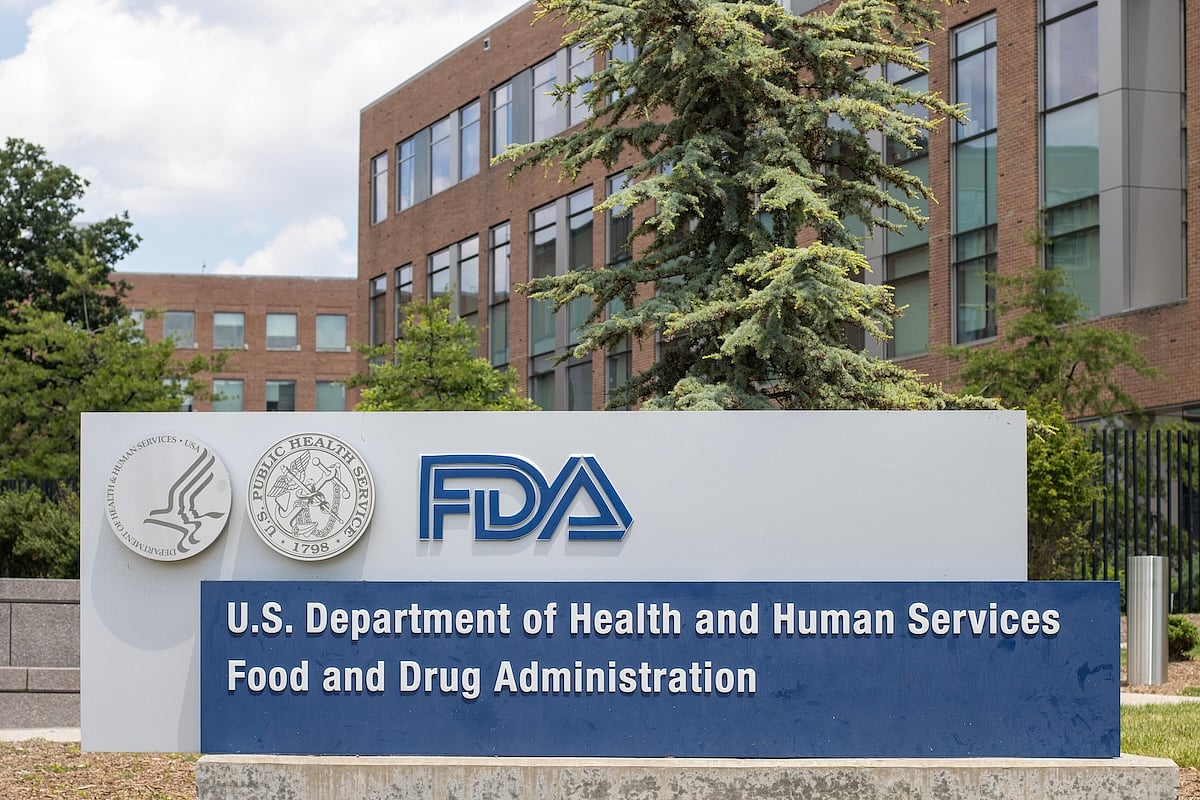
FDA Wants More Information From Food Makers On New Food Chemicals
For decades, food manufacturers have been able to decide what food chemicals were safe enough to add to their products based on general government guidelines.
Now, the U.S. Food and Drug Administration (FDA) wants more information first.
A proposal announced Monday would require companies to notify FDA when they add a new chemical to the food supply.
The proposal targets a loophole called "generally recognized as safe," or GRAS, which lets manufacturers decide on their own that an ingredient is safe without notifying regulators, The Washington Post reports.
Nothing has changed yet. The proposal now heads out for public comment.
Congress created the GRAS exemption in 1958, when the FDA took on the job of reviewing new food additives. Lawmakers allowed some substances widely accepted as safe, such as vinegar, flour and common spices, to be used in a form deemed safe by the manufacturer.
Since then, companies have applied that same self-certification to a much wider range of ingredients, meaning it’s likely hundreds of substances have entered the food supply without close government review, according to The Post.
The risk isn't theoretical. In 2022, tara flour used in a leek-and-lentil crumble product was tied to at least 130 hospitalizations and hundreds of illnesses. Tara flour is a protein-rich flour made from Caesalpinia spinosa tree seeds.
GRAS ingredients also include preservatives in some breakfast cereals, emulsifiers in certain ice creams and salad dressings, and low-calorie sweeteners in sugar-free candies and desserts.
Many turn up in ultra-processed foods, which make up more than half of what Americans eat.
Heavy consumption of those foods has been linked to chronic illnesses including type 2 diabetes and heart disease, the U.S. Department of Health and Human Services (HHS) said.
"Shifting to a mandatory notification system closes a decades-old information gap," acting FDA Commissioner Kyle Diamantas told reporters Monday.
He said the proposal would improve transparency while respecting the limits of the agency's authority.
Under the proposal, the FDA would have 45 days to confirm a company's submission is complete and 180 days to review it more closely, Diamantas said.
Companies could keep using the substance during that window under the proposed rule. But the FDA would not have to review or approve it. Such a requirement, Diamantas suggested, would require Congressional action.
On a separate track, companies would be allowed to report chemical substances already on store shelves to the FDA.
Health Secretary Robert F. Kennedy Jr., who has made the loophole a priority, said industry exploited it to push chemicals into American food. He urged Congress to give the FDA more resources.
Some food safety experts welcomed the plan but questioned whether FDA has the staff to keep up with the submissions.
Melanie Benesh, vice president for government affairs at the nonprofit Environmental Working Group, called it a first step toward meaningful reform.
"True GRAS reform requires more than mandatory notification," she said in a statement. "It must also include strong, science-based safety standards and thorough, independent FDA review before chemicals are allowed in our food."
Former FDA Commissioner Dr. David Kessler, who petitioned the agency last year to revoke GRAS status for some ingredients, said the proposal does not tackle the root causes of chronic disease, The Post reports.
More information
Visit the U.S. Food and Drug Administration for more information about food ingredients and additives.
SOURCES: The Washington Post, Aug. 10, 2026; U.S. Department of Health and Human Services, Aug. 10, 2026


